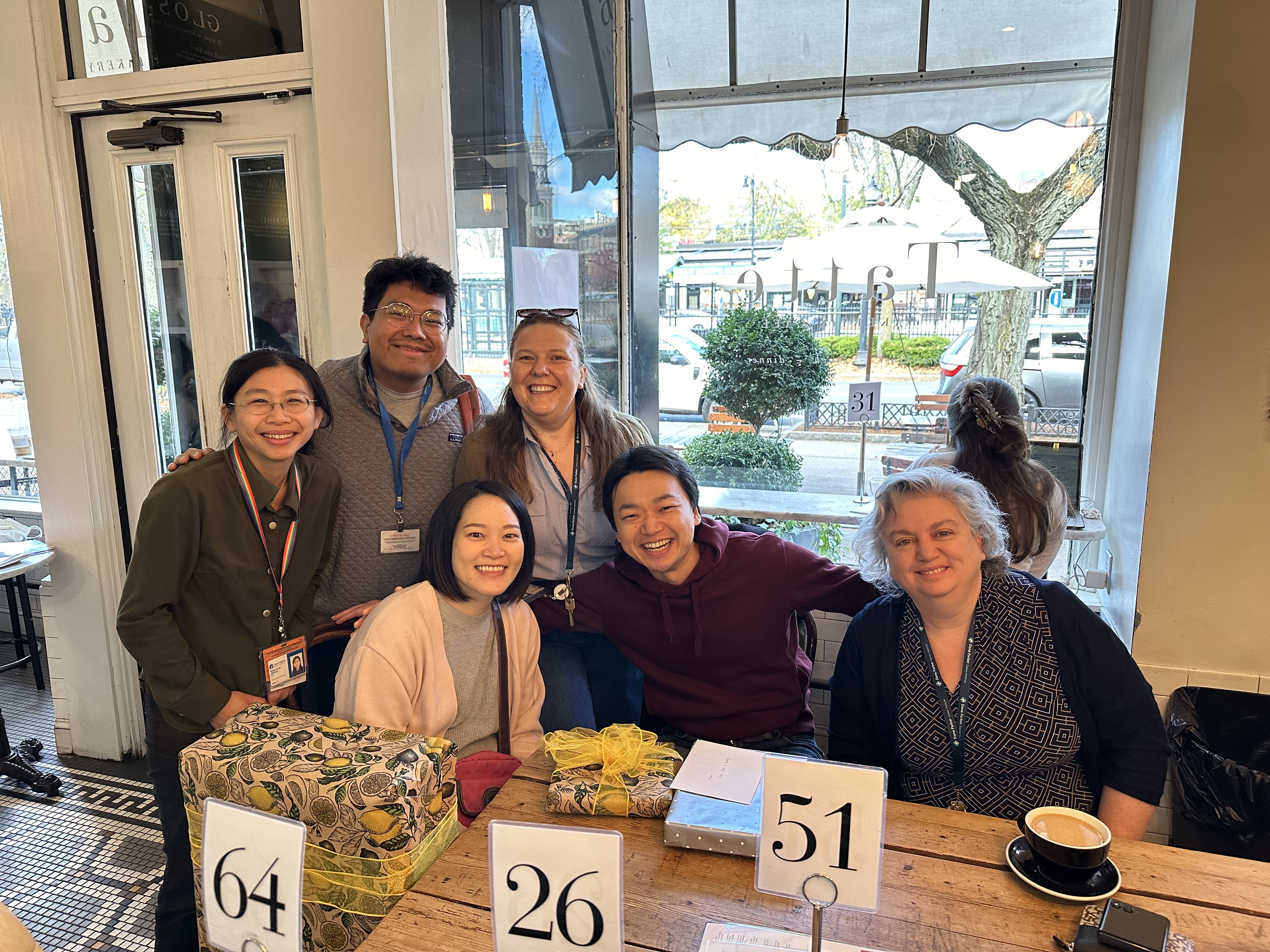
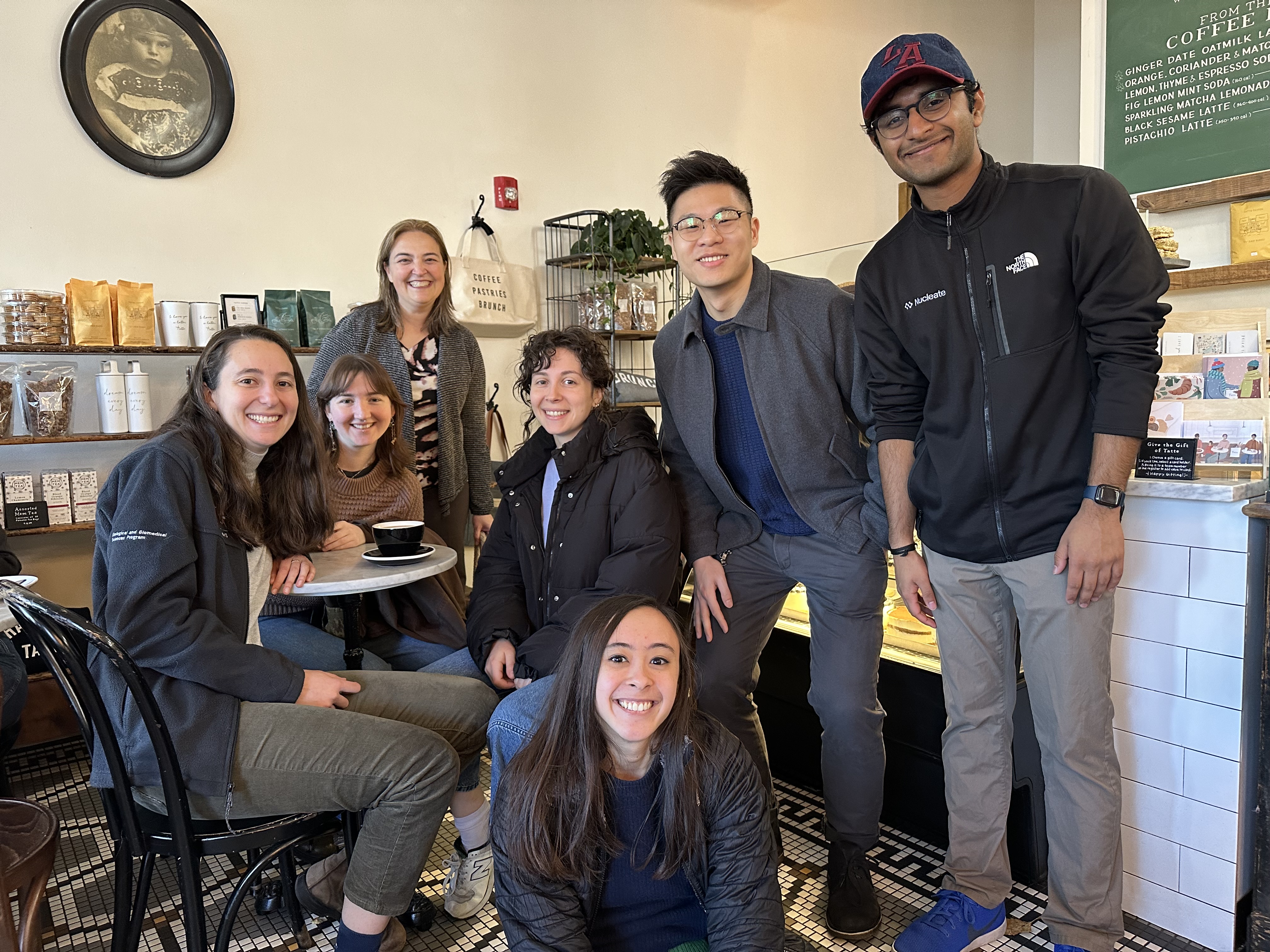
Kathleen H. Burns, M.D., Ph.D.
Dr. Burns received her M.D. and Ph.D. in Molecular and Human Genetics from Baylor College of Medicine. She completed a clinical pathology (CP) residency and hematopathology fellowship at Johns Hopkins University School of Medicine, and served as chief resident. Thereafter, Dr. Burns joined the faculty at Johns Hopkins and progressed through the academic ranks to Professor. She served as Vice Chair for Research and Programs in the Pathology Department and Director of the school-wide Physician Scientist Training Program (PSTP). She was recruited to Dana-Farber as Chair of the Department of Pathology in 2020 and is a Professor of Pathology at Harvard Medical School.
Her honors include a Career Award for Medical Scientists from the Burroughs Wellcome Fund, and election to the American Society of Clinical Investigation, the Interurban Clinical Club, and the American Association for the Advancement of Science. She has given invited lectures as the Scriver Family Visiting Professorship in Genetics from McGill University, the Daria Haust Lecturer of Pathology at Queen's University, the Inaugural Thomas Wheeler Lecture at Baylor College of Medicine Department of Pathology, and the George E. Peacock Memorial Lecture at the Department of Pathology at University of Texas Southwestern. She has given Keynote addresses for meetings organized by Cold Spring Harbor Laboratories, Cold Spring Harbor Asia, and Gordon Research Conferences.
Lab Members

Wen-Chih Cheng
Senior scientist
Dr. Cheng received her Ph.D. from the Johns Hopkins University where she studied the role of mitochondrial proteins in programmed cell death. She pursued postdoctoral studies at both Hopkins and University of Maryland focused leukemias and stem cell biology, and prior to joining DFCI, she was a research scientist at Scanogen Inc. Wen is leading projects studying LINE-1 ORF2p expression and LINE-1 interactions with oncogenes.

Jennifer Karlow
American Cancer Society fellow
Dr. Karlow received her Ph.D. in Computational and Systems Biology at Washington University where she studied how cells undergo epigenetic reprogramming across cancer types and through tumor progression into metastasis. Jennifer is leading projects to describe retroelement expression patterns in cancers and understand how retrotransposition impacts cancer genomes.

Cheuk-Ting (Dicky) Law
Instructor and K99 fellow
Dr. Law received his Ph.D. at the University of Hong Kong where he investigated chromatin remodelers, transcribed regions, and somatically-acquired LINE-1 insertions in liver cancer. During his graduate studies, he obtained an MPhil degree in Computational Biology at the University of Cambridge. Dicky is leading development of high-throughput approaches to sequence LINE-1 insertions and study how host factors determine insertion outcomes. Dicky's research has previously been supported by a Charles A. King Trust Postdoctoral Research Fellowship and a fellowship award from the American Cancer Society.

Yasmine Guedira
Ph.D. Candidate, BBS program
Yasmine received her B.S. in Biology with a minor in Quantitive Science from Emory University where she was a Robert W. Woodruff Scholar. Before starting graduate school, she worked as a Research Associate in the Ellinor lab at the Broad Institute, studying mechanisms of cardiovascular disease. She is developing her thesis work retroelement RNA biology.

Aidan Burn
Scientist II
Dr. Burn received his Ph.D. in Genetics from Tufts University where he studied transcription of endogenous retroviruses (ERVs). Aidan is leading our lab’s contributions to the NIH SMaHT (Somatic Mosaicism across Human Tissue) network.

Tomohiro Kitano
Postdoctoral fellow
Dr. Kitano received his D.M.D. from Nippon Dental University in Japan. He completed his residency in Oral and Maxillofacial Surgery at Gunma University Hospital and received his Ph.D. from Keio University, where he focused on the role of endogenous retroviruses in mouse preimplantation development. Tom is leading work on ERV activation and its impact in oral cancers and leukoplakia.

Filipe Martins
Postdoctoral fellow
Dr. Martins is a medical oncologist who completed his predoctoral studies at the University of Geneva and obtained his M.D. from the University of Lausanne (UNIL). He received his Ph.D. at EPFL (Lausanne, CH), where he studied the role of KRAB zinc finger proteins (KZFPs) in diffuse large B-cell lymphoma, focusing on their impact on the cancer epigenome and immune response. Filipe is leading projects to define how transposable element regulation affects cancer cell phenotypes.

Audrey Muscato
Ph.D. Candidate, BBS program
Audrey received her B.A. in Neuroscience from Bowdoin College. Before starting graduate school, she worked as a Research Associate in the Manguso lab at the Broad Institute, using in vivo CRISPR screens to identify mechanisms of resistance and sensitivity to cancer immunotherapy. She is developing her thesis work on viral mimicry and how LINE-1 expression alters immune signaling in colon cancer models.
.jpeg)
Carolyn Hruban
Postdoctoral fellow
Dr. Hruban received her Ph.D. in Human Genetics and Genomics at Johns Hopkins University School of Medicine where she studied circulating tumor DNA dynamics in patients undergoing cancer treatment. Carlie is leading our work on blood based assays for LINE-1 ORF1p and deciphering histopathologic correlates of LINE-1 expression in cancers.

Esin Işık
American Cancer Society fellow
Dr. Işık received her Ph.D. in Cancer Biology from the University of Zurich where she studied the molecular mechanisms underlying the resolution of transcription-dependent replication stress. Esin is leading our studies on LINE-1 retrotransposition as an endogenous source of DNA replication stress and genomic instability.

Carlos Mendez-Dorantes
Instructor and Charles A. King Trust fellow
Dr. Mendez-Dorantes received his Ph.D. at the City of Hope where he focused on determining the mechanisms of chromosomal deletion rearrangements mediated by repetitive DNA elements in mammalian cells. He is leading projects to define the role of LINE-1 activation and retrotransposition in structural chromosomal instability and the evolution of copy number alterations in cancers. Carlos's research has previously been supported by a Postdoctoral Fellowship Award from the Jane Coffin Childs Memorial Fund for Medical Research. He is also a Forbeck Scholar at the Forbeck Research Foundation.
Olivia Sacco
Ph.D. Candidate, BBS program
Olivia received her B.S. in Global Public Health and Biology with a concentration in genetics and genomics at NYU. Prior to graduate school, she worked as a Research Technician in the Sfeir lab at Memorial Sloan Kettering Cancer Center studying the mechanistic underpinnings of a mutagenic DNA double-strand break repair pathway called MMEJ. She is developing her thesis work on roles of retroelement and host cell RNA binding proteins in retrotransposition.


%2C%202024_.jpg)